
Introduction
For millions of years, nature has been perfecting solutions to complex problems—from the shock-absorbing structure of woodpecker skulls to the energy-efficient locomotion of cheetahs. Now, forward-thinking organizations are turning to these biological blueprints to revolutionize how we design workplaces, equipment, and workflows that truly support human health and performance.
Welcome to the emerging field of biomimetic ergonomics, where cutting-edge technology meets ancient evolutionary wisdom to create work environments that don't just accommodate human bodies—they actively adapt to them in real time.
Traditional ergonomics has long focused on fitting the workplace to the worker through static adjustments: raising a chair here, tilting a monitor there. But biomimetic ergonomics takes this concept exponentially further, drawing inspiration from nature's adaptive systems to create dynamic environments that sense, respond, and evolve alongside each individual worker's needs throughout the day.
In this comprehensive guide, you'll discover how biomimicry principles are transforming workplace wellness, explore the technologies making adaptive ergonomics possible, and learn practical strategies for implementing these innovations in your organization. Whether you're an occupational health professional, HR leader, or safety manager, understanding biomimetic ergonomics will position you at the forefront of workplace wellness innovation.
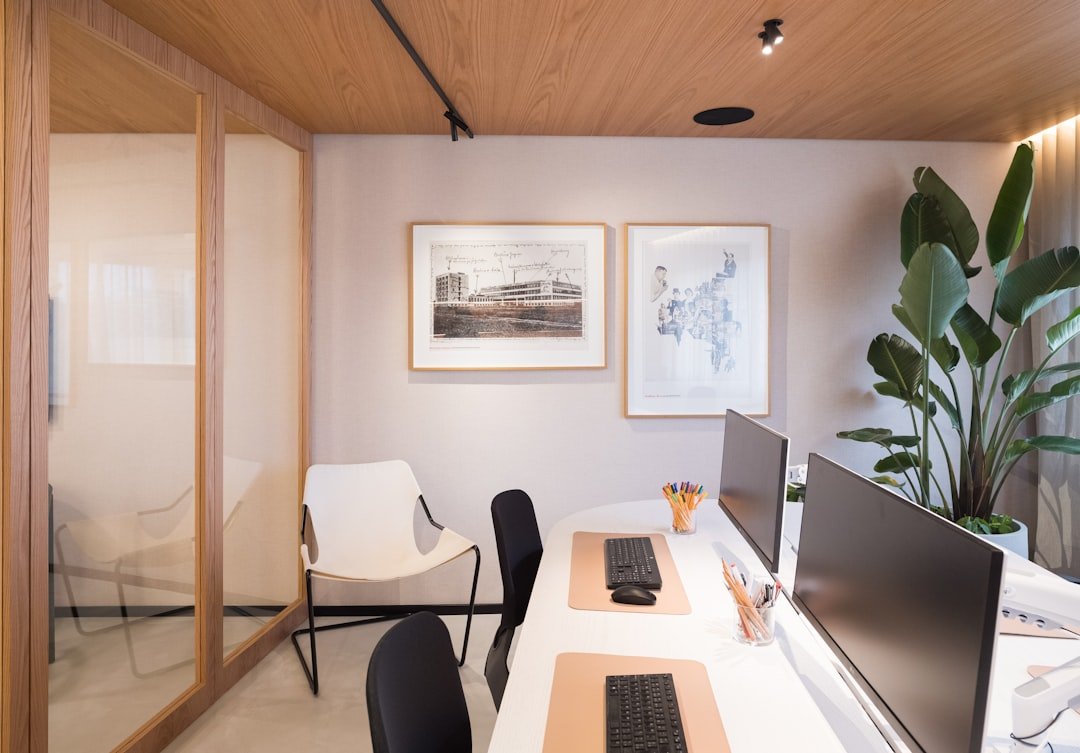
Photo by Caroline Badran on Unsplash
What is Biomimetic Ergonomics?
Biomimetic ergonomics represents the intersection of two powerful disciplines: biomimicry—the practice of learning from and emulating nature's time-tested strategies—and ergonomics—the science of designing workplaces, products, and systems to fit human capabilities and limitations.
The term "biomimicry" was popularized by biologist Janine Benyus in her groundbreaking 1997 book, and it has since inspired innovations ranging from Velcro (modeled after burrs) to bullet trains (inspired by kingfisher beaks). According to the Biomimicry Institute, this approach asks a fundamental question: "How would nature solve this problem?"
When applied to workplace ergonomics, biomimicry examines how biological systems maintain health, efficiency, and resilience—then translates those principles into workplace design. The human body itself is the ultimate adaptive system, constantly responding to environmental stimuli through complex feedback loops. Biomimetic ergonomics seeks to create external environments that mirror and support these internal processes.
| Aspect | Traditional Ergonomics | Biomimetic Ergonomics |
|---|---|---|
| Approach | Static, one-time adjustments | Dynamic, continuous adaptation |
| Focus | Preventing injury and discomfort | Optimizing health, comfort, and performance |
| Technology | Manual adjustments, basic equipment | AI, sensors, neurofeedback, smart materials |
| Customization | General guidelines applied to individuals | Hyper-personalized to individual physiology |
| Environment | Separate from nature | Integrated biophilic and nature-inspired elements |
| Feedback | Periodic assessments | Real-time monitoring and response |
Core Principles of Biomimetic Ergonomics
1. Adaptive Response Systems Just as our pupils dilate in response to light changes, biomimetic workplaces adjust automatically to worker needs. Smart desks that raise when sensors detect prolonged sitting, lighting systems that shift color temperature throughout the day, and chairs that redistribute pressure based on posture data all exemplify this principle.
2. Homeostatic Balance Biological systems constantly work to maintain equilibrium—a process called homeostasis. Biomimetic ergonomics applies this concept through environments that help workers maintain optimal physiological states, from temperature regulation to cognitive load management.
3. Efficient Energy Use Nature abhors waste. Biomimetic design minimizes the energy workers must expend on non-productive activities, from reducing unnecessary movements to optimizing workflow sequences based on natural human rhythms.
4. Resilience and Recovery Living systems have remarkable capacity for self-repair and adaptation. Biomimetic ergonomics builds in recovery opportunities—micro-breaks, movement prompts, and restorative spaces—that support the body's natural healing processes.
5. Sensory Integration Nature engages all senses in harmony. Rather than treating workplace factors in isolation, biomimetic approaches consider the holistic sensory environment, integrating visual, auditory, thermal, and even olfactory elements into a cohesive wellness strategy.
Why Biomimetic Ergonomics Matters
The business case for advanced ergonomic interventions has never been stronger. According to the Bureau of Labor Statistics, musculoskeletal disorders (MSDs) account for approximately 30% of all worker injury and illness cases requiring days away from work. The direct costs of these injuries—medical expenses and compensation—represent just the tip of the iceberg, with indirect costs including lost productivity, replacement worker training, and administrative expenses often multiplying the total impact by four to ten times.
But biomimetic ergonomics addresses far more than injury prevention. It represents a fundamental shift in how we think about the relationship between workers and their environments.
The Evolution Beyond Compliance
For decades, workplace ergonomics operated primarily in a reactive mode—addressing problems after they caused pain, injury, or workers' compensation claims. Regulatory frameworks like OSHA's ergonomics guidelines established important baselines, but compliance-driven approaches often miss opportunities for optimization.
Biomimetic ergonomics flips this paradigm. Instead of asking "How do we prevent harm?" it asks "How do we actively promote thriving?" This positive framing aligns with broader movements toward workplace wellness and recognizes that the absence of injury doesn't equal the presence of health.
Meeting the Needs of Modern Work
Today's work landscape bears little resemblance to the industrial settings where traditional ergonomics emerged. Knowledge workers spend hours in cognitive tasks that create mental fatigue without obvious physical strain. Remote and hybrid arrangements mean workers operate in uncontrolled home environments. The boundaries between work and personal life blur, extending ergonomic concerns beyond the traditional workday.
Biomimetic ergonomics addresses these realities through:
- Cognitive ergonomics that monitors and supports mental load
- Temporal adaptation that accounts for circadian rhythms and ultradian cycles
- Environmental flexibility that works across diverse settings
- Whole-person approaches that recognize the interconnection of physical, mental, and emotional wellness
Nature has already solved every problem we face in workplace design. Our job is to translate those 3.8 billion years of R&D into practical applications that support human flourishing.
The Competitive Advantage of Adaptive Workplaces
Organizations implementing biomimetic ergonomic principles report benefits across multiple dimensions:
Talent Attraction and Retention: In a competitive labor market, workplace environment increasingly influences employment decisions. Innovative, health-promoting workplaces signal that an organization values its people.
Enhanced Performance: When workers aren't fighting their environment, they can direct full attention to their work. Biomimetic design removes friction and supports flow states.
Reduced Healthcare Costs: Proactive wellness approaches prevent not just acute injuries but chronic conditions that drive long-term healthcare spending.
Sustainability Alignment: Many biomimetic solutions also support environmental sustainability goals, creating alignment between worker wellness and corporate responsibility initiatives.
How to Implement Biomimetic Ergonomics
Transitioning to a biomimetic ergonomic approach doesn't require tearing down your existing workplace and starting from scratch. Instead, it involves a systematic process of assessment, planning, implementation, and continuous improvement—much like the iterative adaptation processes found in nature.
-
Evaluate current injury rates, discomfort reports, productivity metrics, and worker satisfaction. Document existing ergonomic interventions and their effectiveness.
-
Study how workers actually move, interact, and perform tasks throughout the day. Identify natural energy cycles, collaboration patterns, and recovery needs.
-
Analyze assessment data through a biomimetic lens. Where could adaptive systems replace static solutions? What natural principles might address identified pain points?
-
Rank potential improvements by their expected benefit, implementation cost, and alignment with organizational priorities. Start with high-impact, lower-complexity changes.
-
Choose sensing, analysis, and response technologies that match your needs and budget. Consider both specialized ergonomic solutions and integration with existing systems.
-
Test biomimetic interventions with diverse worker groups before full deployment. Gather feedback and refine approaches based on real-world results.
-
Ensure everyone understands how adaptive systems work and how to interact with them effectively. Address concerns about monitoring and privacy.
-
Implement ongoing data collection to track outcomes and identify opportunities for further optimization. Create feedback loops that drive continuous improvement.
-
Expand proven approaches across the organization while maintaining customization for different work environments and populations.
-
Build organizational knowledge about what works and why. Contribute to the broader field through industry forums and publications.
Phase 1: Assessment and Discovery
Effective biomimetic ergonomics begins with deep understanding of your current state. This goes beyond traditional ergonomic assessments to include:
Physiological Mapping: Using wearable sensors and observation, document how workers' bodies respond throughout the workday. Track posture changes, movement patterns, heart rate variability, and indicators of physical stress.
Cognitive Load Analysis: Assess mental demands across different tasks and times. Identify when workers experience peak focus, decision fatigue, or creative blocks.
Environmental Profiling: Document how workplace conditions—lighting, temperature, noise, air quality—vary throughout the day and across different spaces.
Behavioral Observation: Study natural worker behaviors without intervention. When do people naturally take breaks? How do they modify their workspaces? What workarounds have they developed?
Phase 2: Nature-Inspired Design
With baseline data in hand, begin designing interventions inspired by biological principles:
Circadian Alignment: Human bodies follow roughly 24-hour cycles that affect alertness, physical performance, and mood. Design lighting systems that support natural circadian rhythms, shifting from energizing blue-enriched light in the morning to warmer tones in the afternoon. Research from the National Institute of General Medical Sciences confirms the profound impact of circadian disruption on health.
Ultradian Rhythm Support: Within each day, we cycle through approximately 90-120 minute periods of higher and lower alertness. Create work structures and environments that acknowledge these natural rhythms rather than expecting constant output.
Postural Variability: No single posture is ideal for extended periods—the body craves movement and variation. Design workstations that encourage natural postural shifts, inspired by how animals constantly adjust position.
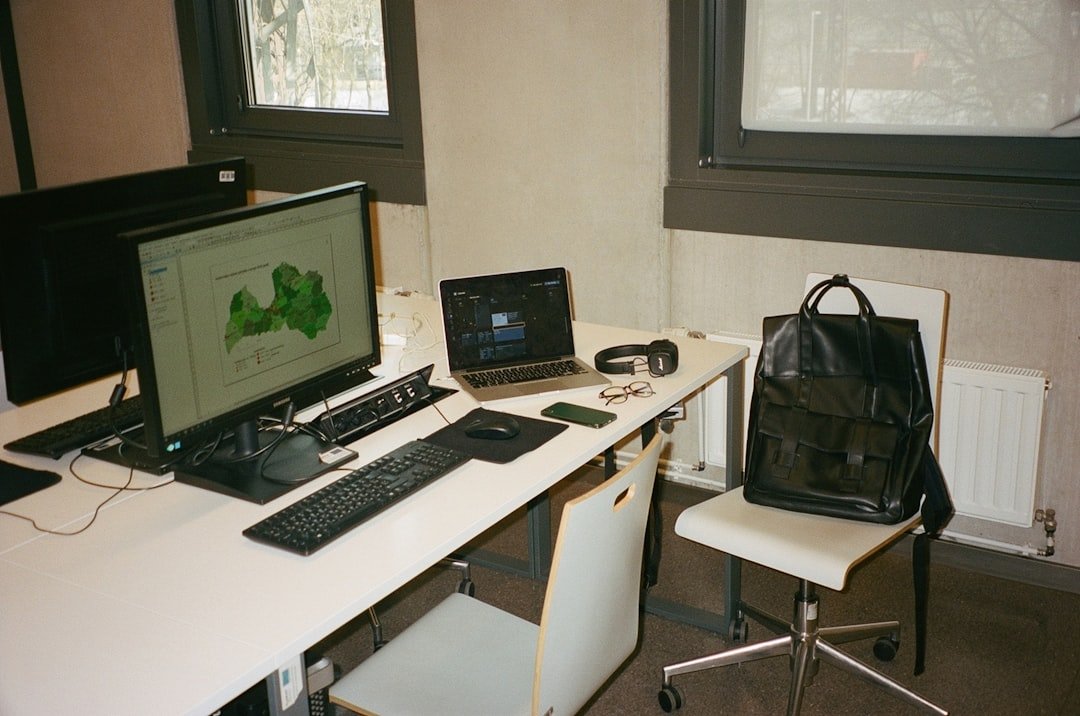
The Adaptive Workstation Ecosystem
Central to biomimetic ergonomics is the concept of the adaptive workstation—a dynamic system that responds to worker needs in real time. Key components include:
Smart Surfaces: Desks and chairs embedded with pressure sensors that detect posture and weight distribution, automatically adjusting to optimize support.
Responsive Lighting: LED systems that change intensity and color temperature based on time of day, task demands, and individual preferences.
Environmental Controls: Personalized climate zones that maintain optimal temperature and humidity for each worker.
Integrated Prompts: Gentle reminders delivered through visual, auditory, or haptic signals that encourage movement, hydration, and recovery breaks.
Biophilic Elements: Living plants, natural materials, and views of nature that support psychological restoration.
Phase 3: Technology Integration
Modern biomimetic ergonomics leverages several key technologies:
Sensor Networks: Low-cost, unobtrusive sensors can monitor everything from ambient conditions to worker movement patterns. These include: - Pressure-sensitive surfaces in chairs and floor mats - Infrared motion detectors - Environmental sensors for temperature, humidity, CO2, and light levels - Wearable devices that track physiological metrics
Artificial Intelligence and Machine Learning: AI systems analyze sensor data to identify patterns, predict needs, and optimize responses. Machine learning enables systems to become more personalized over time, learning each worker's unique characteristics.
Neurofeedback Systems: Emerging technologies can monitor brain activity through EEG headsets or eye-tracking systems, providing real-time insight into cognitive states like focus, fatigue, and stress.
Smart Materials: Advances in material science have produced surfaces that change properties in response to stimuli—chairs that adjust firmness, fabrics that regulate temperature, and surfaces that provide variable texture for tactile stimulation.
Internet of Things (IoT) Connectivity: Connected devices communicate with each other and central systems, enabling coordinated responses across the entire workplace ecosystem.
Common Mistakes to Avoid
As organizations embrace biomimetic ergonomics, certain pitfalls consistently undermine success. Learning from others' mistakes can help you avoid costly missteps and resistance.
Mistake 1: Technology-First Thinking
The Problem: Organizations become enamored with impressive technology—AI systems, sensor arrays, smart furniture—without first understanding the human problems they're trying to solve.
The Solution: Always start with human needs. Technology should serve clearly identified goals, not drive the agenda. Ask "What worker outcomes do we want to improve?" before "What cool technology can we deploy?"
Mistake 2: Ignoring Privacy Concerns
The Problem: Biomimetic systems often require monitoring worker physiology, movement, and behavior. Without careful attention to privacy, this creates legitimate concerns about surveillance and data misuse.
The Solution: Be transparent about what data is collected and how it's used. Give workers control over their personal data. Focus on aggregate patterns rather than individual surveillance. Establish clear policies that protect worker privacy while enabling system benefits.
Mistake 3: One-Size-Fits-All Implementation
The Problem: Organizations deploy identical solutions across diverse work environments and populations, ignoring the variability that biomimetic approaches are designed to address.
The Solution: Customize implementations for different job types, physical environments, and worker populations. What works for office knowledge workers may not suit manufacturing or healthcare settings. Build in personalization from the start.
Mistake 4: Neglecting the Change Management Process
The Problem: Even beneficial changes face resistance when workers feel they're being imposed rather than supported. New systems introduced without adequate preparation often see poor adoption.
The Solution: Involve workers in design and implementation decisions. Communicate the "why" behind changes clearly. Provide training and support during transitions. Celebrate early wins to build momentum.
- Proactive health optimization rather than reactive injury treatment
- Personalized adaptations improve individual outcomes
- Real-time adjustments address needs as they arise
- Data-driven insights enable continuous improvement
- Integration of physical, cognitive, and emotional wellness
- Higher initial investment than traditional ergonomics
- Privacy concerns require careful management
- Technology learning curve for workers and administrators
- Maintenance complexity increases with system sophistication
- Potential for over-reliance on automated systems
Mistake 5: Underestimating Maintenance Requirements
The Problem: Advanced systems require ongoing calibration, updates, and repairs. Organizations budget for acquisition but not for lifecycle costs, leading to degraded performance over time.
The Solution: Plan for total cost of ownership from the start. Establish maintenance schedules and responsibilities. Build relationships with vendors who provide ongoing support. Budget for technology updates and replacements.
Mistake 6: Ignoring Organizational Culture
The Problem: Biomimetic ergonomics thrives in cultures that value wellness and continuous improvement. Implementing advanced systems in hostile cultural environments produces limited results.
The Solution: Address cultural factors alongside physical interventions. Ensure leadership visibly supports wellness initiatives. Create incentives aligned with desired outcomes. Build wellness into organizational values, not just policies.
Mistake 7: Failing to Measure Outcomes
The Problem: Without clear metrics and ongoing measurement, organizations cannot demonstrate value or identify needed improvements. Programs lose support when they can't show results.
The Solution: Establish baseline measurements before implementation. Define success metrics aligned with organizational priorities. Implement ongoing data collection and analysis. Communicate results to stakeholders regularly.
Best Practices for Biomimetic Workplace Design
Drawing from nature's wisdom and the experience of early adopters, these best practices will help ensure your biomimetic ergonomics initiatives succeed.
Embrace Biophilic Design Principles
Humans evolved in natural environments, and research consistently shows that exposure to nature—even simulated or indirect—improves health outcomes. The concept of biophilia, our innate connection to living systems, provides a foundation for biomimetic workspace design.
Integrate Living Elements: Plants do more than look nice. They improve air quality, reduce stress, and increase cognitive performance. Consider living walls, desktop plants, and interior gardens. Select species appropriate for your environment and maintenance capacity.
Maximize Natural Light and Views: Access to daylight and views of nature significantly impact well-being and productivity. Position workstations to leverage windows. Use interior glass to distribute light. When natural views aren't available, quality nature imagery provides meaningful benefits.
Incorporate Natural Materials and Patterns: Wood, stone, and other natural materials connect us to the outdoor world. Fractal patterns—the repeating shapes found throughout nature—have been shown to reduce stress and enhance focus. Incorporate these elements in surfaces, textiles, and architectural details.
Design for Movement Variability
Static positions—whether sitting or standing—stress the body over time. Nature shows us that healthy organisms move constantly, shifting position to distribute loads and maintain circulation.
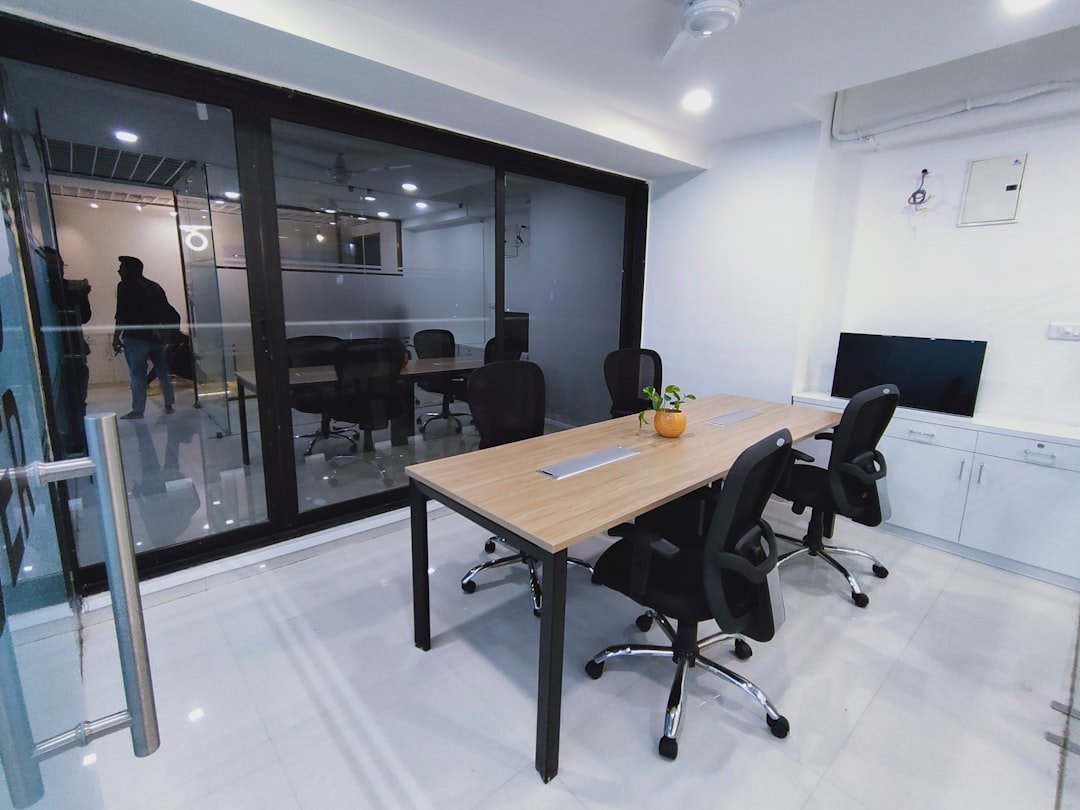
Photo by theme selection on Unsplash
Create Multiple Work Zones: Design spaces that encourage workers to move between sitting, standing, walking, and lounging positions throughout the day. Include quiet focus areas, collaborative spaces, and restorative zones.
Remove Barriers to Movement: Locate frequently used resources—printers, supplies, break areas—to require walking. Use stairs attractively. Design layouts that make movement the natural choice.
Implement Movement Prompting: Use technology to gently remind workers to change positions. Smart systems can learn individual patterns and provide personalized prompts at optimal intervals.
Optimize the Sensory Environment
Our nervous systems constantly process environmental inputs. Biomimetic design considers the full sensory experience, creating conditions that support rather than stress human physiology.
Acoustics: Natural environments include sound—wind, water, birds—but rarely the jarring mechanical noises of modern buildings. Use sound masking systems that provide pleasant background sound. Control noise transmission between spaces. Consider nature sounds in appropriate areas.
Temperature and Air Quality: Fresh, clean air at comfortable temperatures supports both physical health and cognitive function. Ensure adequate ventilation. Consider advanced filtration. Allow personal temperature control where possible.
Lighting Quality: Beyond circadian considerations, lighting should provide adequate illumination without glare, harsh shadows, or flicker. Layer ambient, task, and accent lighting. Use high-quality LEDs with good color rendering.
-
Assess current levels of natural elements, views, light, and materials. Identify opportunities for enhancement.
-
Track how workers currently move through spaces. Identify choke points, barriers, and opportunities to encourage beneficial movement.
-
Assess lighting, acoustics, temperature, and air quality across all work areas. Compare to established wellness standards.
-
Gather input directly from workers about their environmental experiences and desires. Build buy-in through inclusion.
-
Test proposed changes with representative groups. Refine based on feedback before scaling.
-
Define metrics for success. Implement data collection systems. Plan for ongoing monitoring and adjustment.
Leverage Adaptive Technology Thoughtfully
Technology enables the real-time responsiveness that distinguishes biomimetic ergonomics from traditional approaches. But technology should enhance, not replace, human judgment.
Start Simple: Basic adaptive features—sit-stand desks with position memory, adjustable task lighting, personal fans—provide significant benefits without complexity. Build sophistication gradually.
Prioritize Reliability: Advanced systems that frequently malfunction create frustration and lose credibility. Choose proven technologies from reputable providers. Plan for redundancy and fallback options.
Enable User Override: Automated systems should make recommendations, not impose requirements. Workers must be able to override adaptive features when their judgment differs from algorithmic suggestions.
Protect Privacy: Implement strong data governance. Collect only necessary information. Anonymize data used for aggregate analysis. Give workers transparency and control over their personal data.
Foster a Culture of Continuous Improvement
Nature doesn't optimize once and stop—evolution is continuous. Similarly, biomimetic ergonomics requires ongoing attention and refinement.
Create Feedback Channels: Make it easy for workers to report issues, suggest improvements, and share what's working. Respond visibly to input to encourage continued participation.
Review Data Regularly: Establish rhythms for analyzing system data and outcome metrics. Look for trends, anomalies, and opportunities.
Stay Current: The field of biomimetic ergonomics evolves rapidly. Monitor research, attend conferences, and connect with peers to learn about emerging best practices and technologies.
Emerging Technologies Shaping the Future
The biomimetic ergonomics field continues to advance rapidly, with several emerging technologies poised to transform workplace wellness in coming years.
AI-Powered Predictive Systems
Current adaptive systems respond to detected conditions. Next-generation AI will predict needs before they arise. By analyzing patterns across time, machine learning models can anticipate when a worker will experience fatigue, discomfort, or reduced focus—and intervene proactively.
Imagine a system that recognizes you're approaching your typical afternoon energy dip and automatically adjusts lighting to be more energizing, prompts you toward a brief walk, and reschedules your most demanding task to your next peak period. This predictive capability transforms ergonomics from reactive to truly preventive.
Advanced Wearables and Biosensors
Wearable technology continues to shrink while capabilities expand. Non-invasive sensors can now monitor metrics that previously required clinical equipment:
- Continuous glucose monitoring provides insight into energy and cognitive states
- Heart rate variability indicates stress levels and recovery needs
- Skin conductance reveals emotional responses
- Muscle activity sensors detect early signs of strain before discomfort develops
As these technologies become more practical for workplace use, they enable unprecedented personalization of ergonomic interventions.
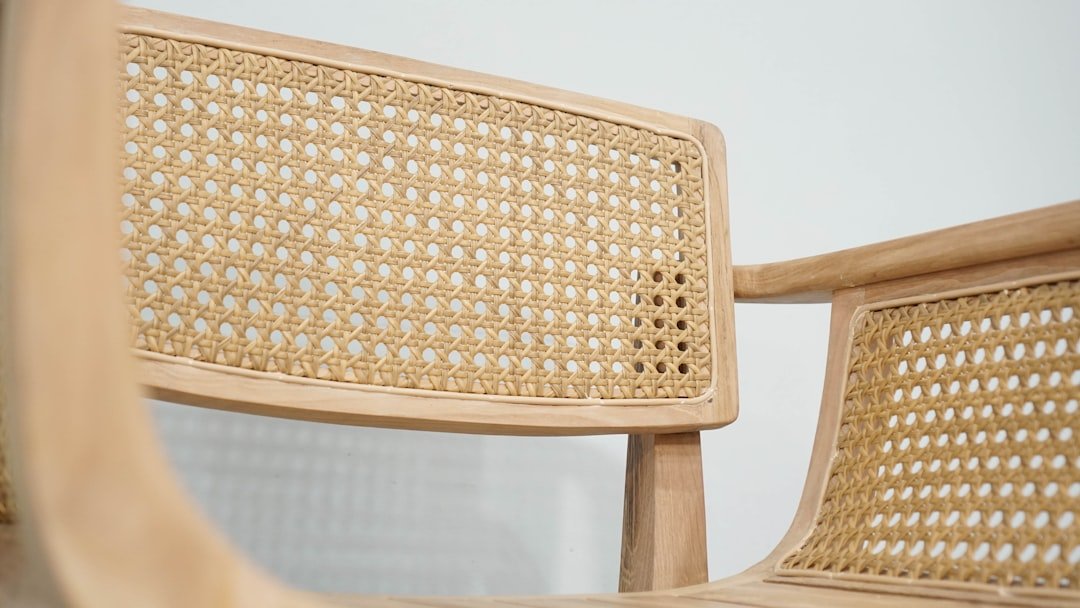
Smart Materials and Surfaces
Material science advances are creating surfaces that actively respond to user needs:
Shape-Memory Materials: Substances that change form in response to temperature or electrical signals enable furniture that dynamically adjusts support and position.
Pressure-Responsive Surfaces: Materials that vary firmness based on applied pressure can provide optimal support as body position and weight distribution change.
Thermal-Regulating Fabrics: Textiles embedded with phase-change materials absorb and release heat to maintain comfortable temperature regardless of activity level.
Self-Cleaning Surfaces: Biomimetic surfaces inspired by lotus leaves repel dirt and bacteria, maintaining hygiene with reduced cleaning requirements.
These materials enable "smart" furniture and equipment that provides personalized support without complex mechanical systems.
Neurofeedback and Cognitive Ergonomics
While traditional ergonomics focused primarily on physical factors, cognitive ergonomics addresses mental work demands. Emerging neurofeedback technologies make real-time cognitive monitoring increasingly practical:
Non-Invasive Brain Monitoring: EEG headsets have become smaller and more comfortable, enabling practical workplace use. These devices can detect states of focus, fatigue, and stress.
Eye-Tracking Systems: Where we look, how our pupils dilate, and blink patterns reveal cognitive states. Computer-integrated eye tracking provides insight into mental load and engagement.
Attention Management: By detecting early signs of distraction or fatigue, systems can suggest breaks, environmental adjustments, or task switches to optimize cognitive performance.
The Human Factors and Ergonomics Society has increasingly emphasized cognitive ergonomics as knowledge work dominates modern employment.
Environmental Control Integration
Building management systems increasingly connect with personal wellness technologies, enabling environment optimization at both individual and space levels:
Personal Climate Control: Advanced HVAC systems can create micro-zones of personalized temperature, eliminating the thermostat wars that plague shared workspaces.
Dynamic Acoustic Management: Active noise control systems can reduce unwanted sound while enhancing beneficial ambient sounds, adapting to changing conditions and occupancy.
Air Quality Optimization: Real-time monitoring with automated response can maintain optimal CO2 levels, humidity, and pollutant concentrations—factors with documented impact on cognitive function.
Digital Twin Technology
Digital twins—virtual replicas of physical spaces populated with real-time data—enable sophisticated analysis and optimization:
- Simulate the impact of proposed changes before implementation
- Identify patterns across time and space that aren't visible in raw data
- Train AI systems on historical patterns to improve predictions
- Enable remote monitoring and management of distributed workplaces
FAQ Section
Conclusion
Biomimetic ergonomics represents a profound evolution in how we think about workplace wellness. By drawing on nature's 3.8 billion years of optimization—and combining these timeless principles with cutting-edge technology—we can create work environments that don't just prevent harm but actively promote human flourishing.
The journey toward biomimetic workplace design doesn't require revolution. It begins with observation: understanding how workers actually experience their environments, where natural rhythms conflict with workplace demands, and how biological principles might inform better solutions. From there, incremental improvements—better lighting, more movement opportunities, adaptive technologies—accumulate into transformative change.
As occupational health professionals, we stand at a remarkable inflection point. The technologies enabling biomimetic ergonomics are maturing rapidly, research supporting these approaches continues to strengthen, and worker expectations for healthy workplaces continue to rise. Organizations that embrace these innovations now will build healthier, more productive workforces while positioning themselves as employers of choice.
Nature has always had the answers to human wellness. Biomimetic ergonomics gives us the tools to finally implement them at scale.
Build a Foundation of Ergonomic Excellence
Before implementing advanced biomimetic solutions, ensure your organization has mastered ergonomic fundamentals. Explore our comprehensive resources on workplace ergonomics assessment, intervention strategies, and program development.
Explore Our Ergonomics ResourcesKey Takeaways
- Biomimetic ergonomics applies nature-inspired design principles and adaptive technologies to create workplaces that respond to individual worker needs in real time
- Traditional ergonomics focuses on static adjustments and injury prevention; biomimetic approaches pursue dynamic optimization of health, comfort, and performance
- Implementation success requires starting with human needs rather than technology, addressing privacy concerns transparently, and building organizational culture alongside physical interventions
- Emerging technologies—including AI prediction, advanced wearables, smart materials, and neurofeedback—will dramatically expand biomimetic capabilities in coming years
- Every organization can begin with accessible interventions like circadian lighting, movement encouragement, and biophilic design elements while building toward more sophisticated adaptive systems
The future of workplace wellness is adaptive, personalized, and inspired by the natural world. By embracing biomimetic ergonomics, you can lead your organization toward that future—creating environments where workers don't just survive but truly thrive.
Comments
No comments yet. Be the first to comment!
Leave a Comment